Climate Action & Resilience
Why Climate Resilience Matters for Somalia
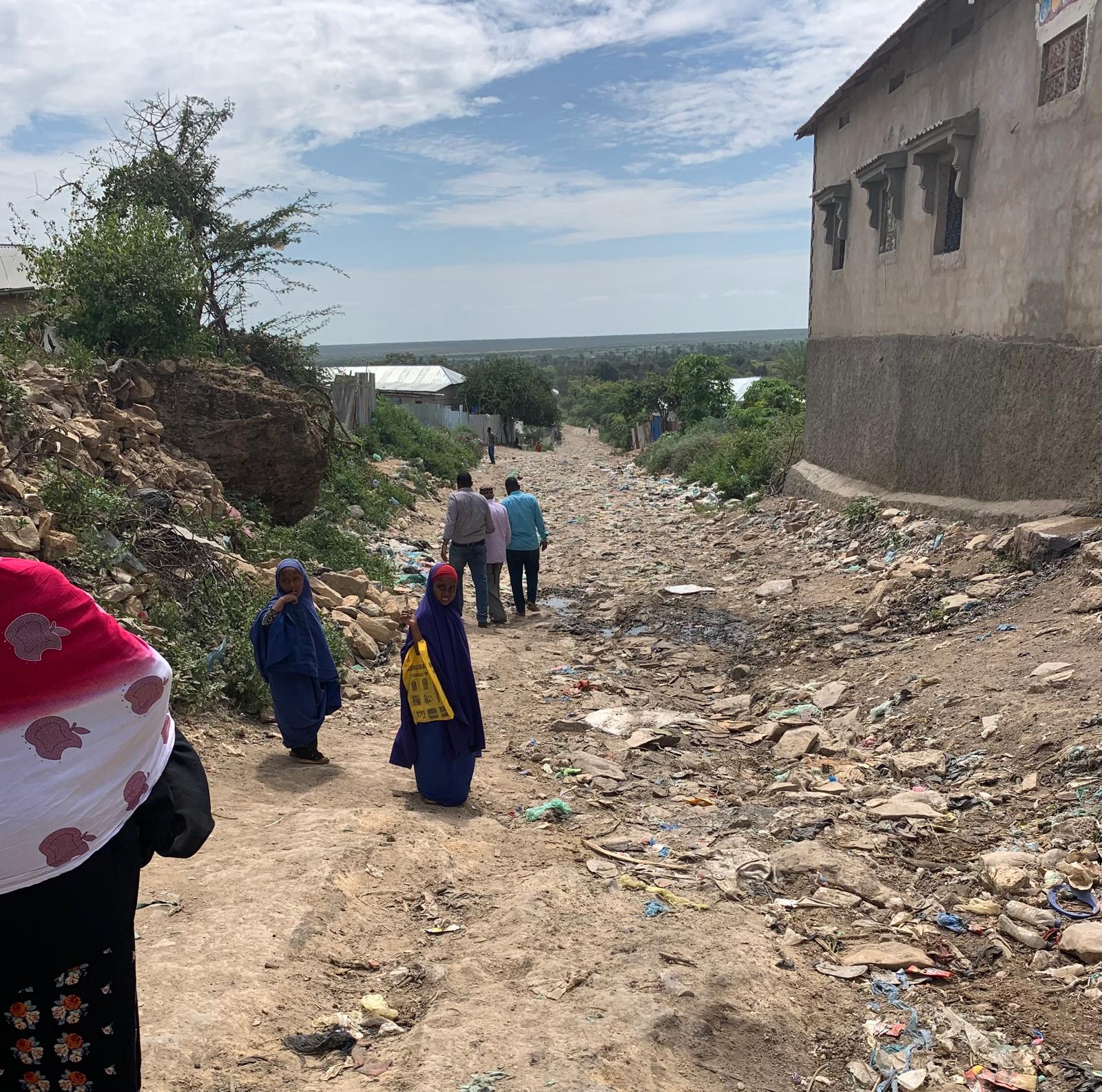
Somalia is among the world’s most climate-vulnerable nations, facing recurring droughts, devastating floods, coastal erosion, and food insecurity driven by a changing climate.
Restore Somalia Foundation believes that lasting peace and sustainable development are inseparable from climate resilience.
We work across seven interconnected pillars to address this challenge from the ground up.
Our Seven Pillars
What we Do In Climate Action
01 Climate Adaptation
Supporting Somali communities in adapting their livelihoods, agriculture, and water systems to a rapidly changing climate.
02 Community Resilience
Building the capacity of local communities to absorb climate shocks, recover quickly, and sustain long-term wellbeing.
03
Climate Education
Empowering youth, women, and diaspora communities through climate literacy programs and ambassador initiatives.
04 Climate Justice
Advocating for equitable climate finance and policies that centre the voices of conflict-affected and displaced communities.
05 Environmental Peacebuilding
Linking environmental sustainability with peace building, addressing resource-driven conflict, and fostering social cohesion.
06 Climate Research
Producing evidence-based research and knowledge products that inform policy, financing, and programmatic responses in Somalia.
07 Locally Led Action
Championing community-owned and diaspora-driven solutions that reflect Somalia’s priorities and lived realities.
Tree Planting In Baidoa
Climate Educati0n
Global Engagement — UNFCCC COP30 · Belém, Brazil
Representing somalia on the world stage
"These achievements strengthened institutional partnerships, expanded scholarly collaboration, and cemented the Restore Somalia Foundation's role as a key civil society actor driving diaspora-led climate solutions and sustainable development for Somalia."
UN Report on Restore Somalia's engagement at UNFCCC COP30